
Meet Dr. Clara Drummond: from Classics Student to Special Collections & University Archives Director
August 17, 2026
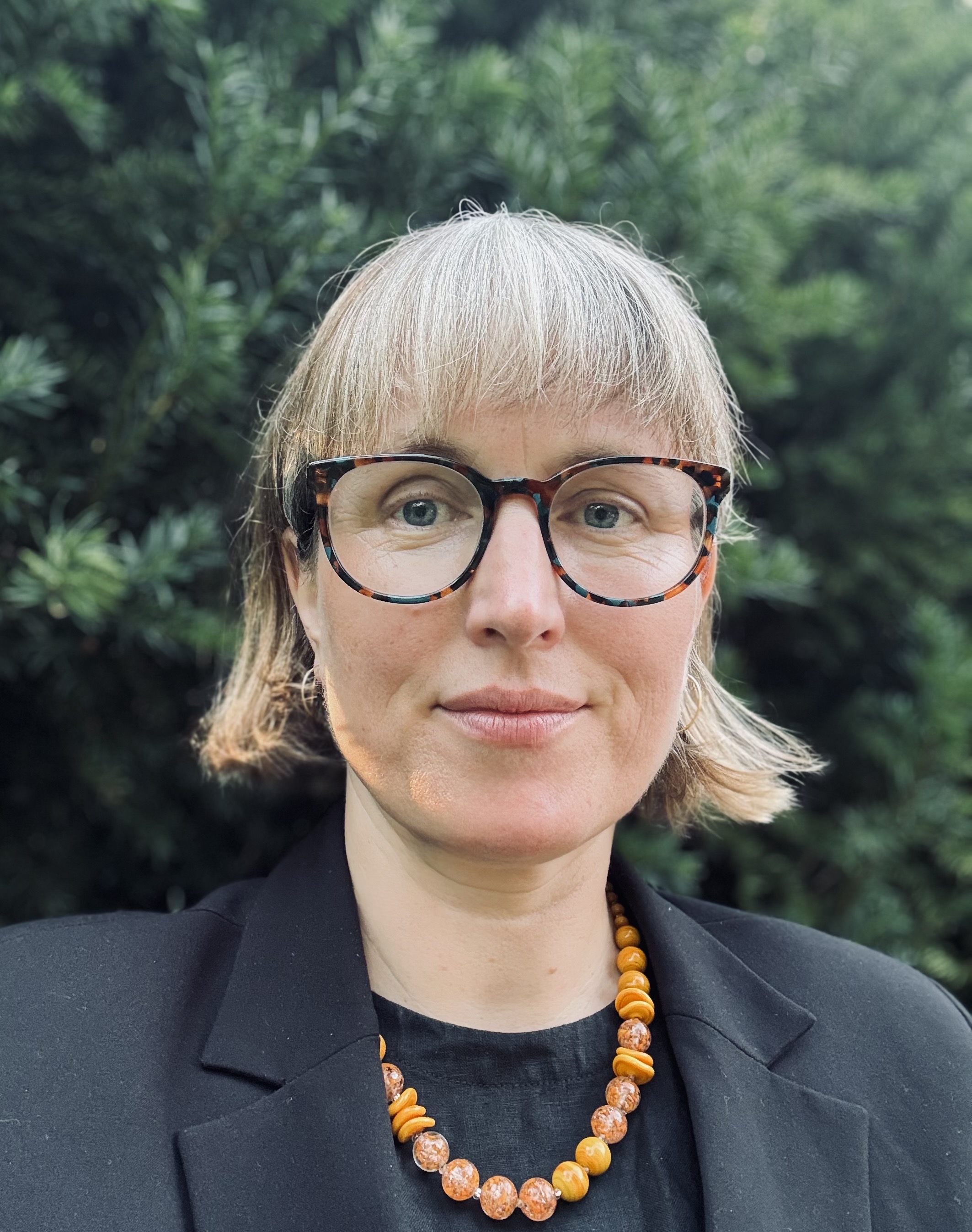 Dr. Clara Drummond is a curious person with an appreciation for how physical materials store and convey information as objects. As the Director of the Charles Deering McCormick Library of Special Collections and University Archives, she works to make the collections accessible for others who are curious about what an item’s content and container can teach them. Her journey toward this role began by studying Classics.
Drummond started her undergraduate career as a Journalism major. She was introduced to a collection of Classical works through her undergraduate courses, a sort of “great books program,” through which students read and discussed a series of foundational texts. Although Drummond was familiar with Greek myths, she had not spent time close-reading them or other Classical works and found that she greatly enjoyed it. She was amazed to recognize stories that felt as once familiar and foreign. Filled with a newfound passion for the Classics, she changed majors.
As a Classics major concentrating in Greek, Drummond studied abroad during her junior year at the University of Malta, where she immersed herself in Greek language classes. Even then, she says that studying Greek was challenging – “It was so difficult!” – but she credits her experience learning Greek with her ability to study and persevere. Her diligence is still tangible: she created for herself The Handy-Dandy Greek & Latin Guide, a meticulously assembled, hand-written reference notebook of Greek and Latin (but especially Greek) irregular verbs.
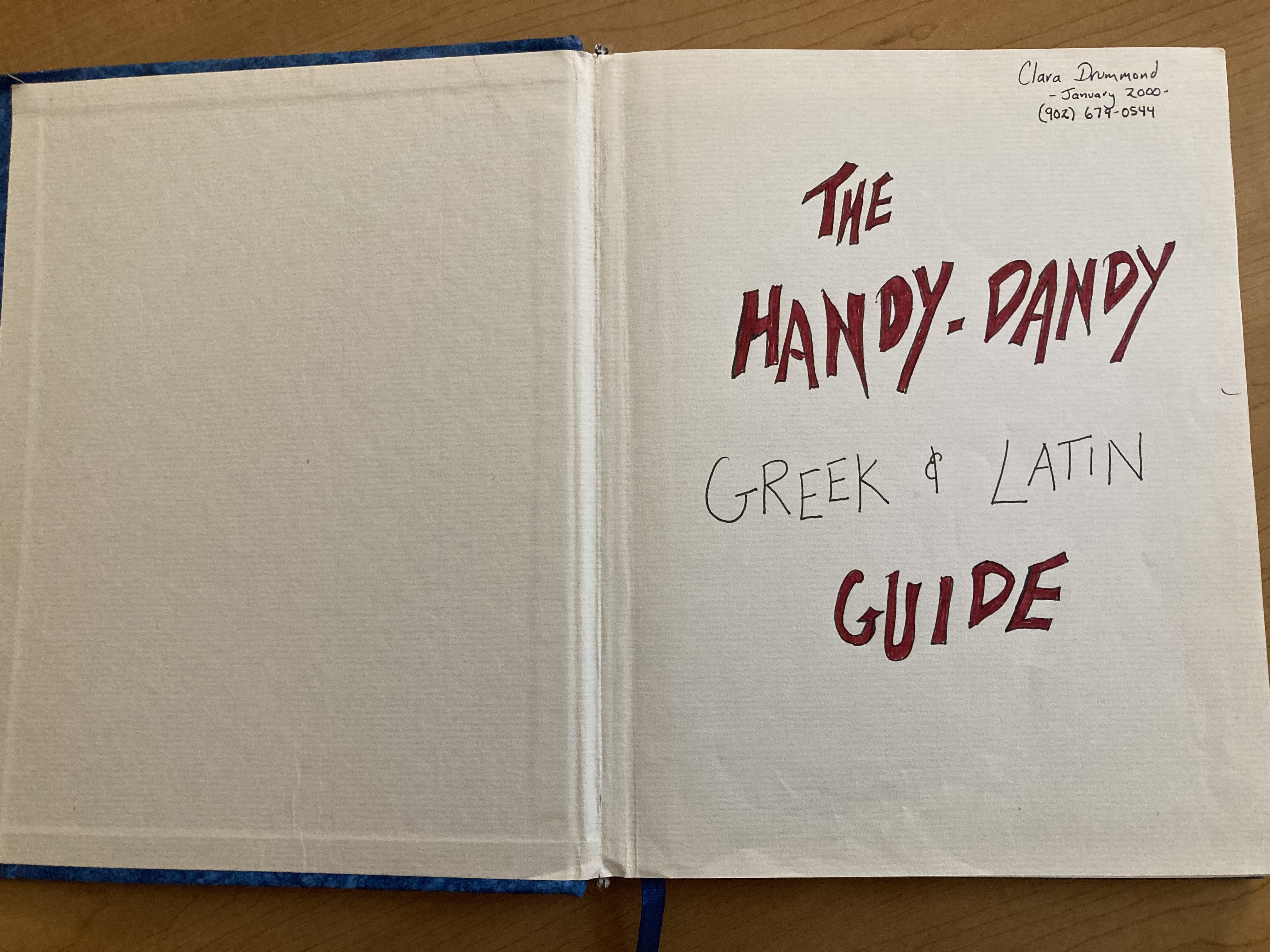
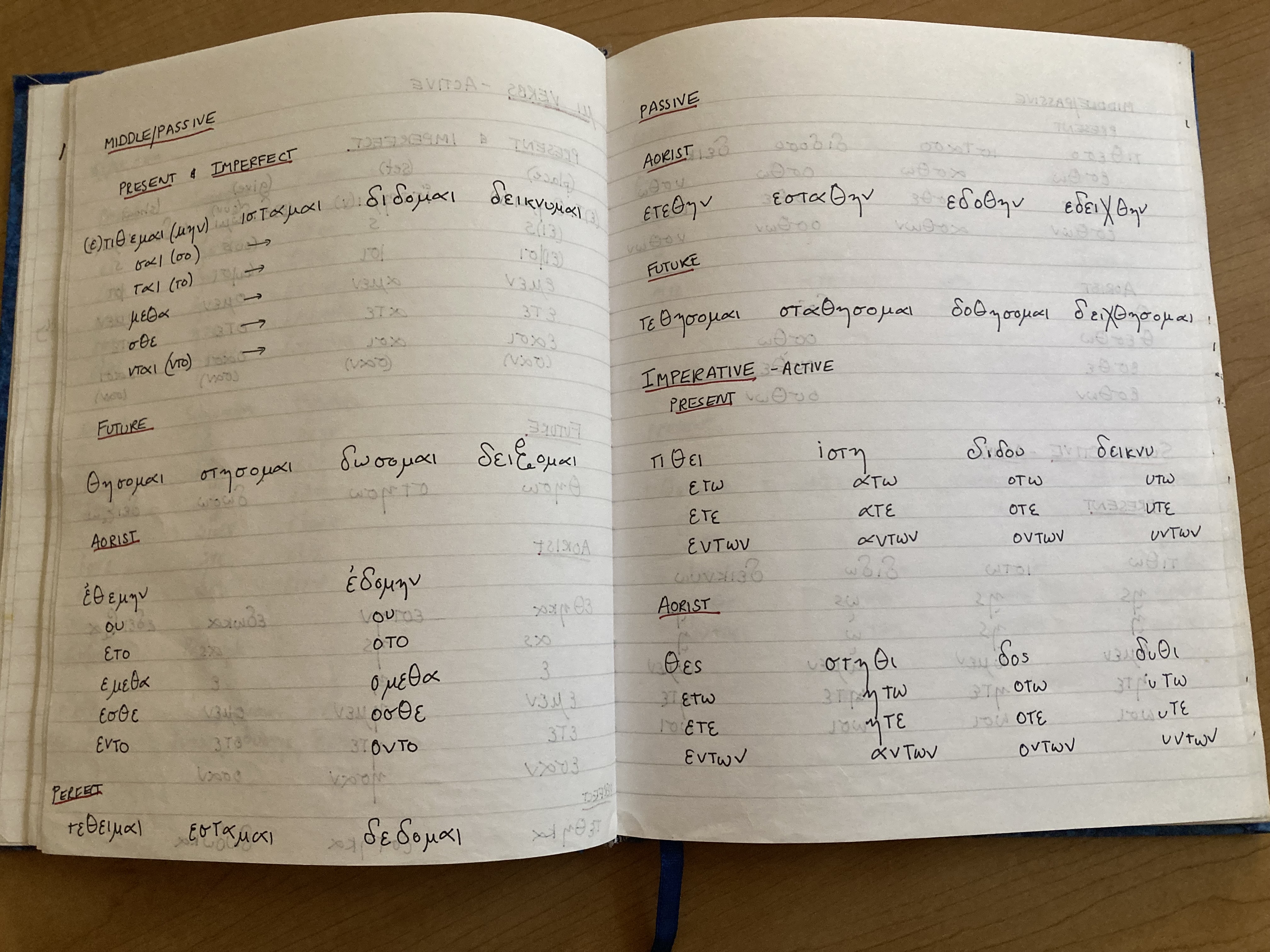
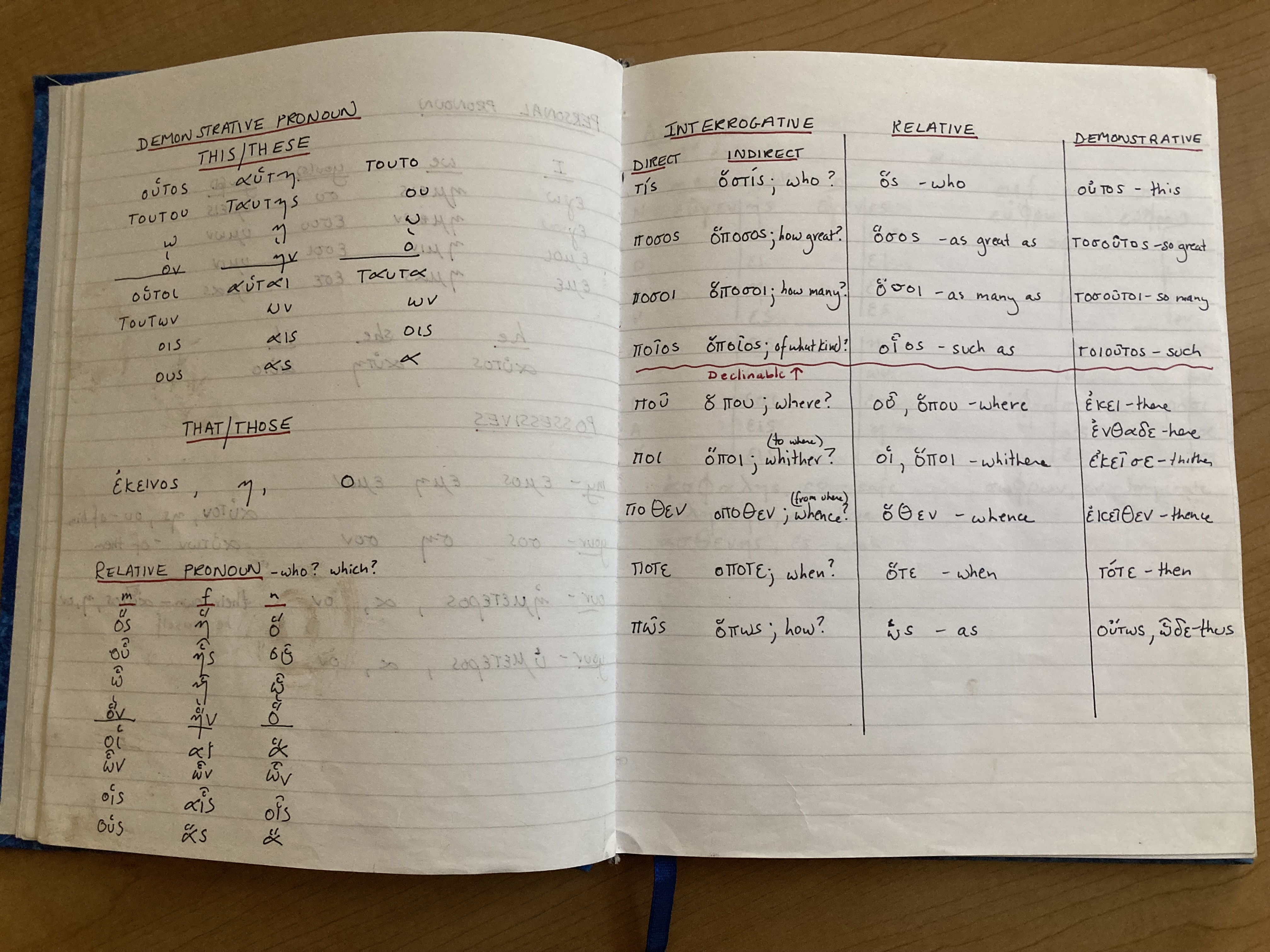
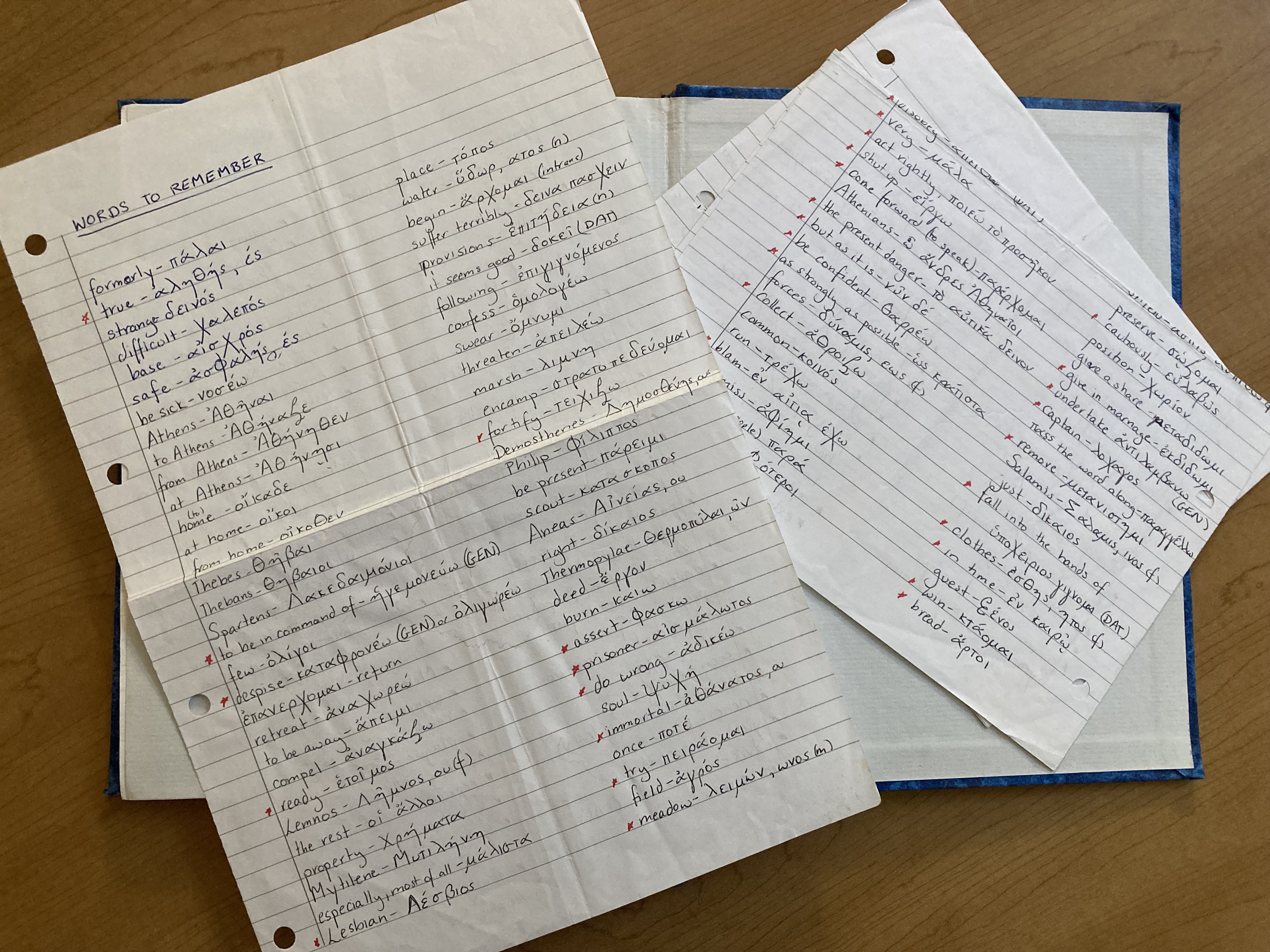
The guide, which now constitutes a physical memory of her background as a Classicist, helped her develop the advanced Greek language skills that she used in graduate school.
Drummond enrolled in a new graduate program at Boston University at the Editorial Institute, founded by literary critic Professor Christopher Ricks and the late poet Professor Emeritus Geoffrey Hill. The program welcomed a wide range of academic backgrounds and allowed for a great deal of interdisciplinary research, which suited Drummond well. She had been debating between pursuing further studies in the Classics or pivoting to English Literature and saw in the program a way to marry the two interests.
For her dissertation, Drummond wrote about the 19th century English poet Elizabeth Barrett Browning1, who translated Aeschylus’s Prometheus Bound twice in her life: almost twenty years after writing her first translation, she denounced her first, rather literal, attempt and retranslated the work more poetically. Drummond’s work fits well into the eternal debate about what makes a good translation. “A translation is centered in the culture and person who’s creating it, and our ideas of what it means to be true to the original spirit of the text shift over time,” she says. She is particularly interested in how people think through their decisions while translating. To observe how Browning made decisions, Drummond examined original manuscripts of Browning’s handwritten working notes and translation fragments.
In order to access these original manuscripts, Drummond used special collections library and archives, especially the Berg Collection at The New York Public Library. This introduction to the library world sprouted a new curiosity within her about the space and the people behind its operation – and the possibility of working in special collections. After completing her PhD, she returned to school for a Masters of Library & Information Sciences at Simmons University to pursue a career in the field.
Now, as the Director of the Charles Deering McCormick Library of Special Collections and University Archives, Drummond leads the strategy for thinking about why and how the library builds collections and how to engage the Northwestern community with their collections. She regularly speaks to a variety of audiences about the collections, drawing upon her experience teaching the Homeric epics in translation as a lecturer at Boston University. She also now works with a stellar team of librarians, curators, and archivists who steward the collections so they can be used for teaching and research. They put on exhibitions, host scholars from all over the world through their Grants for Visiting Researchers, and run programs like the Undergraduate Archival Research Project Prize, which is awarded to NU students who make the best use of primary sources in their work. One of the winners of the prize’s debut cycle was Faith Magiera, an English and Classics double-major (a scholar after Drummond’s own heart!), who researched Renaissance dramas’ use of Classical texts and used some 16th century translations of Seneca in the special collections.
The Special Collections, located on the third floor of Deering and accessible to anyone by appointment, house material from the beginning of human written experience all the way to oral histories of Northwestern alumni (including many Classical texts as they appeared in their printed forms throughout history – if you’re looking for a book, check to see if they have it here!).
While the breadth and scope of the collections delights her, Drummond is particularly thrilled about the materiality of the objects they contain; while so many artifacts are available for researchers digitally, being able to come into Deering in person and see, feel, and inspect the physical object in front of them allows for a different kind of research. Its slower, tactile, meticulous nature “is a memorable experience and can be intellectually generative,” says Drummond. She encourages students to wonder at the materiality of books as a connection to the past, to think about how the texts were published, who was designing and publishing them, and to consider their readers. How did a book created in 16th century Venice by the printer Aldus Manutius, who played an important role in the history of the transmission of classical texts, end up in the hands of a young researcher in 21st century America? It was the collaboration of typesetters, printers, binders, booksellers, readers, and then collectors, curators, librarians; it experienced centuries of hands carrying it and turning its pages!
Students engaged in the close study and questioning of objects build inquiry skills that are becoming increasingly important. With the rise of AI, a pressing question that the Special Collections and researchers of all levels face when encountering a text is, “Who are the creators of this text? What are their motivations? Is it trustworthy?” Answering those questions can require patience and attention, skills with which Classics students are well-equipped. By studying Classics, Drummond says, she feels she learned the ability to focus and persevere, to be able to dive deeply into a topic and ask the right questions, to do close and careful reading and, in turn, thinking. These skills, she says, have served her well in every part of her career.
1 Browning lived during a time that Classical learning was seen as a masculine and upper-class domain. Drawing from her dissertation, Drummond also published A "Grand Possible": Elizabeth Barrett Browning's Translations of Aeschylus's "Prometheus Bound" that focused on contextualizing Browning’s work within the largely masculine sphere. She also became one of several editors on The Works of Elizabeth Barrett Browning, a multivolume, collaborative effort.